
EP 68: Crop Nutrients, Supply Chain, & 2023 Issues
February 7, 2023
EP 69: USDA Report, Lower Yields, & Grandfathers
February 14, 2023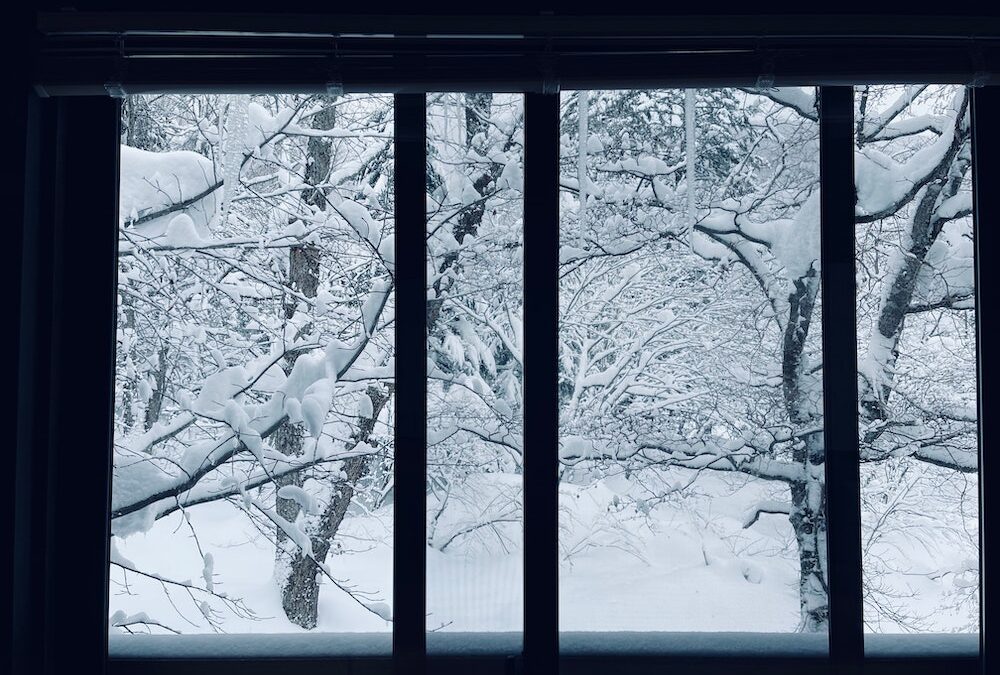
While February may mean winter is coming to an end for many parts of the United States, we know in the Midwest we are far from done with the cold and snow for the year. Considering our Spring can consist of 70 degrees and sunny, thunderstorms, snowstorms, and below-freezing temperatures all within the same day, we want to be sure you are prepared if your home heating system goes out in the middle of it all.
In this post, we’ll cover the steps you can take today while your home heat is working to decrease the chances that you’ll ever have to deal with an outage. Then, we’ll cover what you can safely do yourself before having to call for backup in the case of a home heat outage.
How to Prepare Before
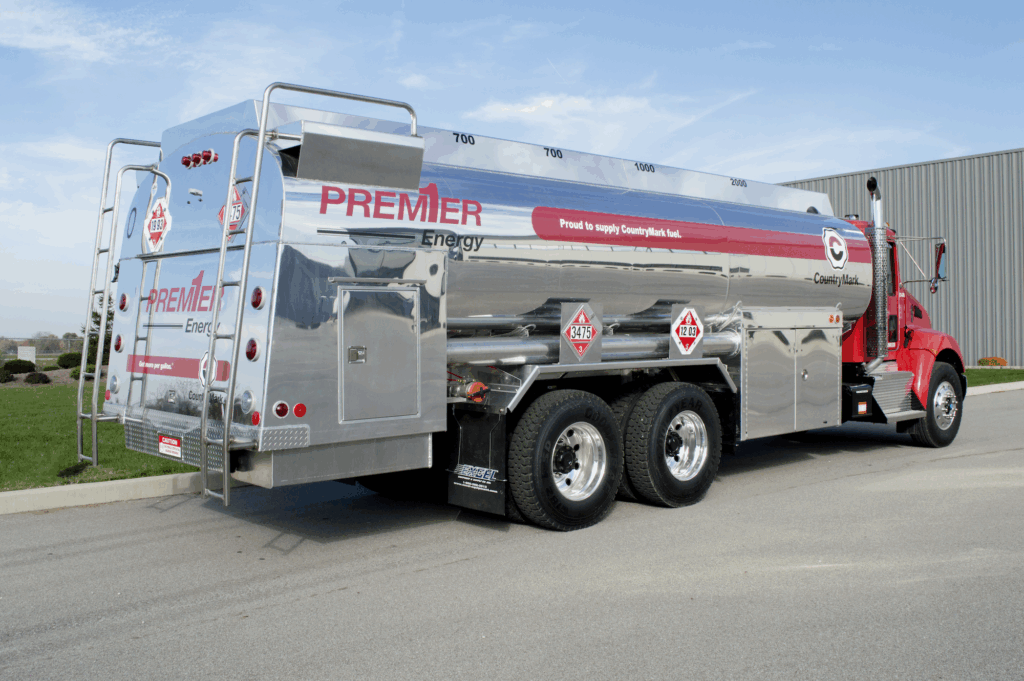
Our first tip is to regularly visually inspect your propane take. You really can’t check it too often, but a good goal is to check in on it at least once a month. Set a date on the calendar that you know you can consistently walk out and take a quick 10 minute look. When you’re inspecting the tank, you’ll want to look for any noticeable damage to the tank or gas line. You’ll also want to make sure that your tank is level and hasn’t shifted from the original placement. If you find something during one of your inspections, we recommend giving Premier a call so that we can send a service technician out to further investigate.
In addition to a visual inspection, we also recommend keeping the tank and the surrounding area free of any debris, tree limbs, etc. With the winter wind, it is more likely your tank could get hit by a branch or buried under a snow bank.
We also recommend that you regularly test the appliances in your home that may utilize propane. If you find an issue with one of those appliances, it may reveal a larger issue with your system that you can fix before it impacts other appliances or your home heating system.
Finally, we also recommend taking some time to put together an emergency kit if your home heat does go out. A few items to consider including are:
- Fresh water
- Battery powered flashlights
- A portable propane heater
- Blankets, coats, hats, and gloves
What to Do When the Heat Goes Out
After you’ve taken the steps listed above to help mitigate the chances of your heat going out, here are some tips on what to do if you still find yourself waking up in the middle of the night to a cold house.
First and foremost, if you smell gas in the home, evacuate everyone from the building immediately and then call 911. Additionally, never use a stove or oven as a heat source.
If you don’t smell gas and the heat isn’t working, follow these steps:
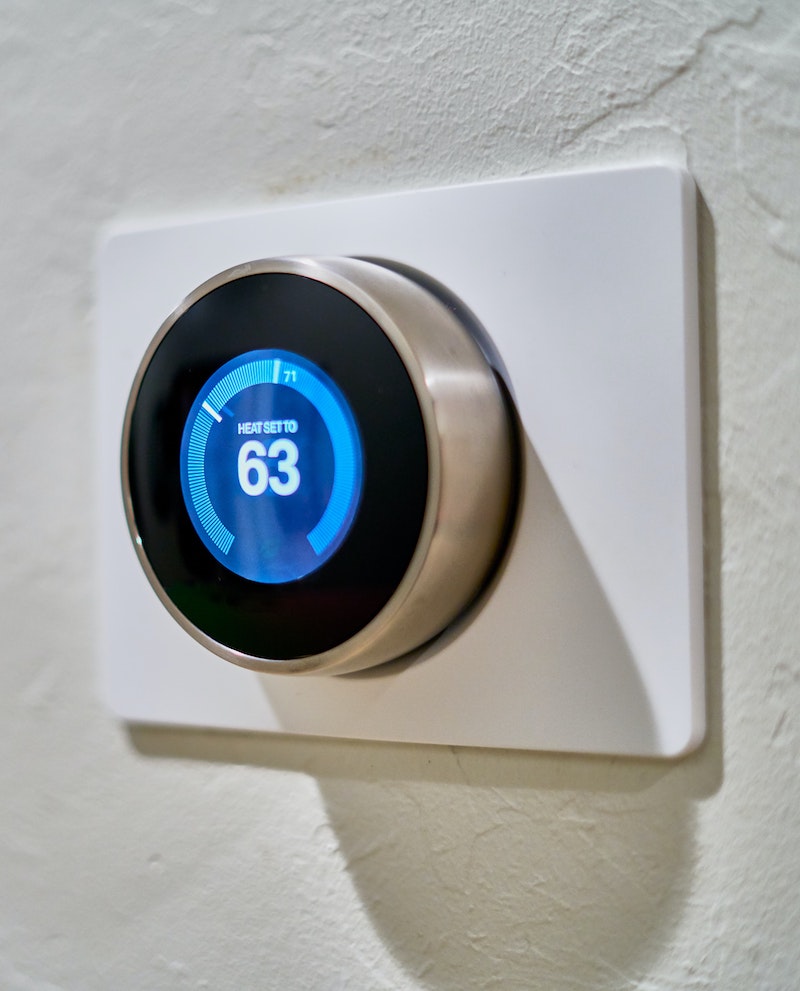
- Test the Thermostat
- Someone may have turned off or turned down the heat
- Test that the furnace is turning on by cranking up the heat by about 5 degrees higher than what you would normally set it at. If it doesn’t turn on, you’ll want to move on to the next step.
- Check your furnace filter
- It may be time to switch out the filter to your furnace. Be sure to keep your unit’s specific type on hand in case of emergencies.
- Inspect your propane tank
- Take a short walk out to the propane tank and visually inspect it for dents, leaks, or debris. If you find something, call Premier to schedule a technician as soon as possible.