
EP 140: RINs, Renewable Diesel, & Goosebumps
June 25, 2024
EP 141: Farm Risk Management, On Farm Storage, & Vacations Spots
July 3, 2024
As we celebrate International Cooperative Day on July 6th, it’s a perfect opportunity to reflect on the importance of cooperative principles in fostering community development, economic growth, and sustainability. Cooperatives around the world, including Premier Companies, embody values of democratic control, economic participation, and a commitment to the community.
In this spirit, we are thrilled to share an exclusive interview with Harold Cooper, the CEO of Premier Companies. With decades of experience in the agriculture and energy sectors, Harold provides unique insights into how Premier Companies has grown to become a pillar of support and innovation in Indiana. Join us as Harold discusses the significance of cooperatives, the impact of Premier Companies on the local community, and his vision for the future.
Q: Why is the cooperative business model important to you?
One of Premier’s four business imperatives is to strive to have a farmer-owned choice in every market, every geography. Over my 46 years with the cooperative system, I have witnessed firsthand the power and protections afforded to our farmers by owning and controlling a segment of the distribution channel. It helps ensure the entire distribution channel remains competitive and first considers the needs of the farmer.
Premier has over 3,000 members. As CEO, I report monthly to 12 elected farmer-owners. They help ensure that every conversation and decision first starts with the question, “Is it good for the farmer?” Nearly as important is to answer the question, “Is it good for the co-op?” Both must be true to ensure long term success and viability.

Q: Can you share any success stories from Premier Companies that highlight the impact of cooperative business models on local and international communities?
One local example was the supply disruptions created during the COVID lockdown. Many of the row crop herbicides originate offshore. As we approached spring planting, not only were supplies scarce but the price of the products was unknown. In fact, some prices were not known until June, well into the planting season. This uncertainty created issues for our farmers as it related to crop planning and expense control.
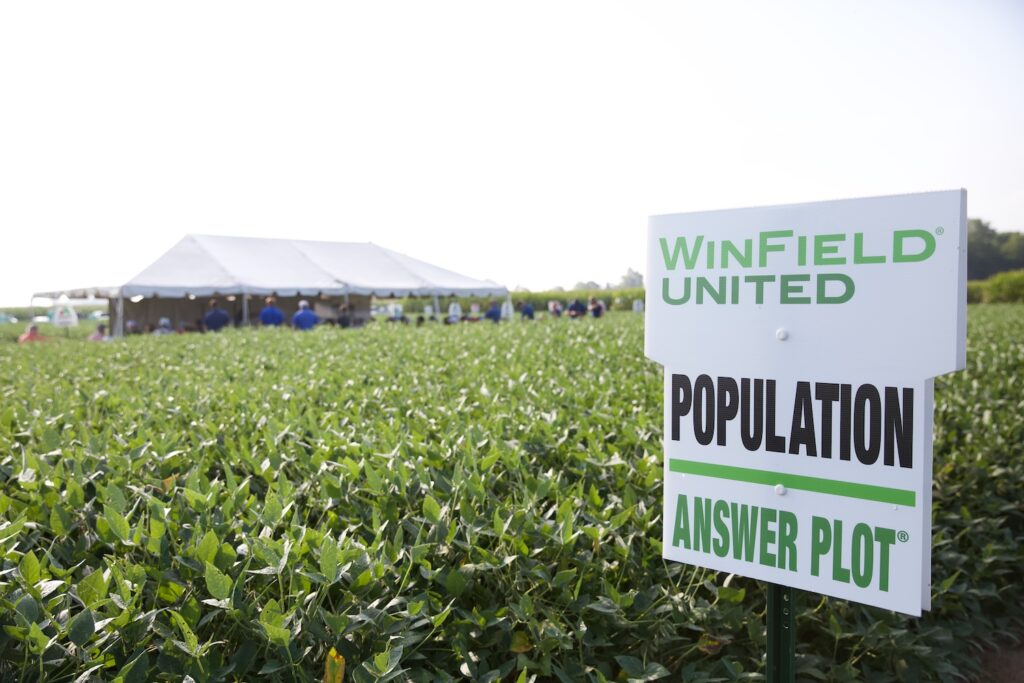
Premier, through the shared efforts of WinField (a regional cooperative), took the risk to own the product, even without a price, to create certainty that farmers would have the means to protect their crops from weeds, insects, and disease. As for price, Premier established a price ceiling and promised a rebate back to farmers if prices were less than forecasted. As you would expect, Premier both overestimated and underestimated the cost on products we had already sold. For those items we overestimated, farmers were pleasantly surprised when they received rebates back later that Summer for product they had already bought.
Understandably, a privately owned or publicly traded business would have trouble accepting that much exposure to unknown risk.
Another example that comes to mind is the investments Premier makes that are geared towards the success of the farmer and the health of our planet, impacting our whole community:
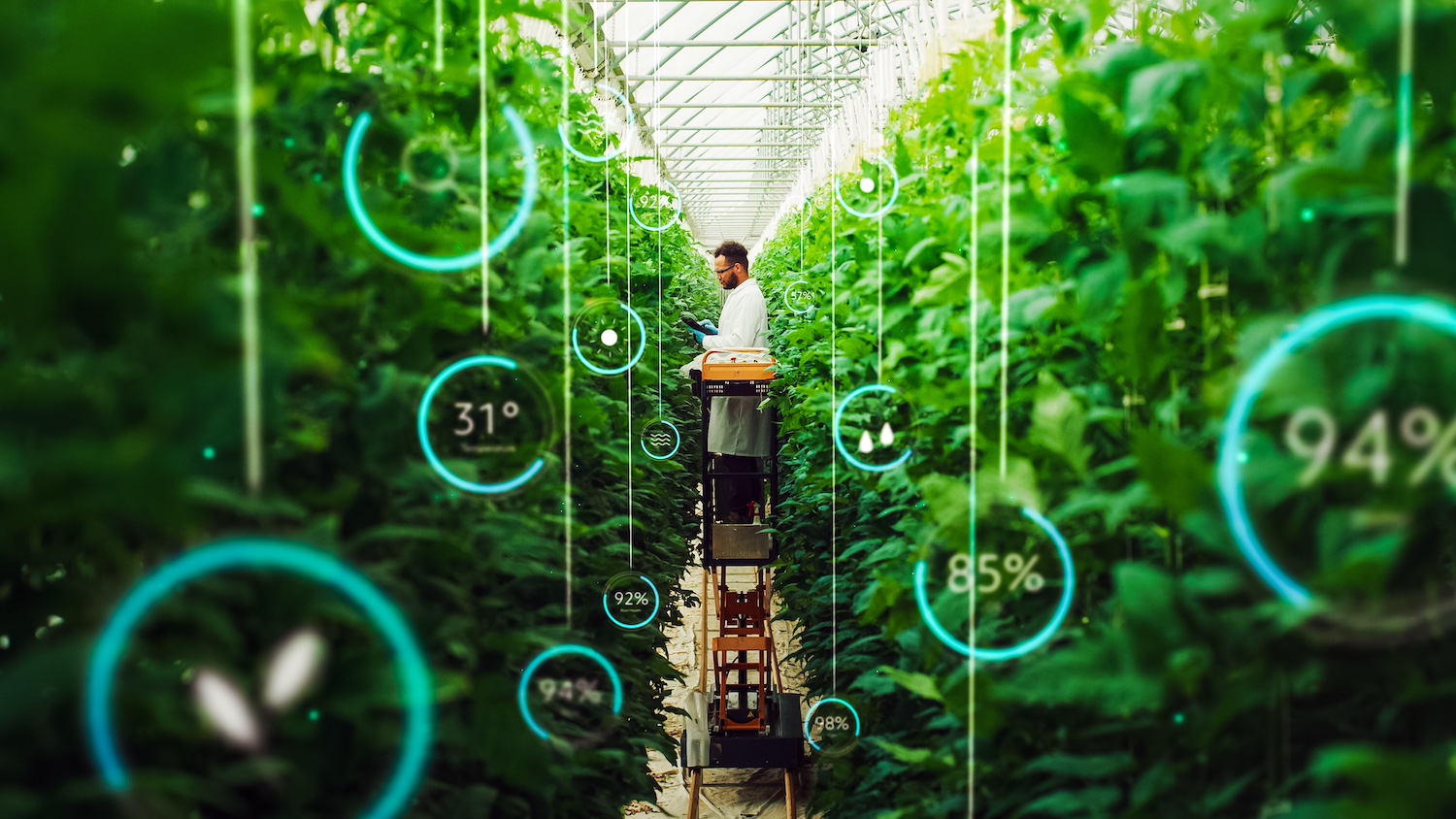
- TRAX, a crop management system that helps guide farmers using the 4 R’s (Right time, Right place, Right product, Right rate) approach. We want to be good stewards of the environment and retain farmer’s trust in us. We utilize soil types, current fertility levels, prior crop yield histories and farmer goals on areas as small as 2.5 acres to build a cropping plan to optimize inputs and maximize profitability.
- Truterra, a means to understand and satisfy the demands being placed on agriculture by the food channel. More and more, consumers want to know where their food comes from, how it was produced, and if done in a sustainable, environmentally friendly manner. Truterra creates the means to link this interest to farming operations and create new revenue sources for our farmers. Examples include carbon credits, soil health initiatives, and the use of cover crops.
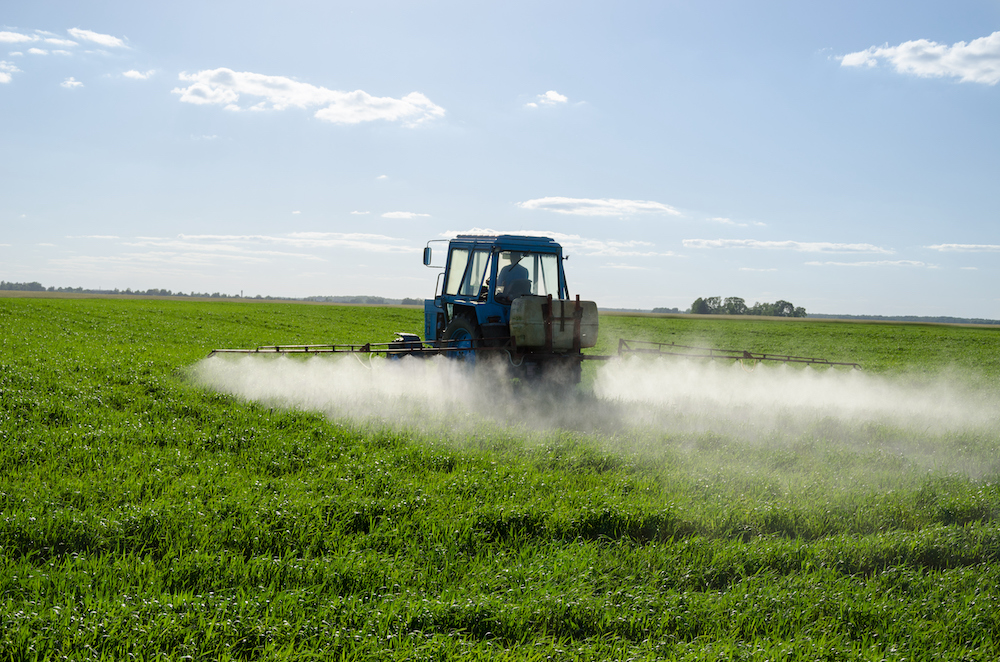
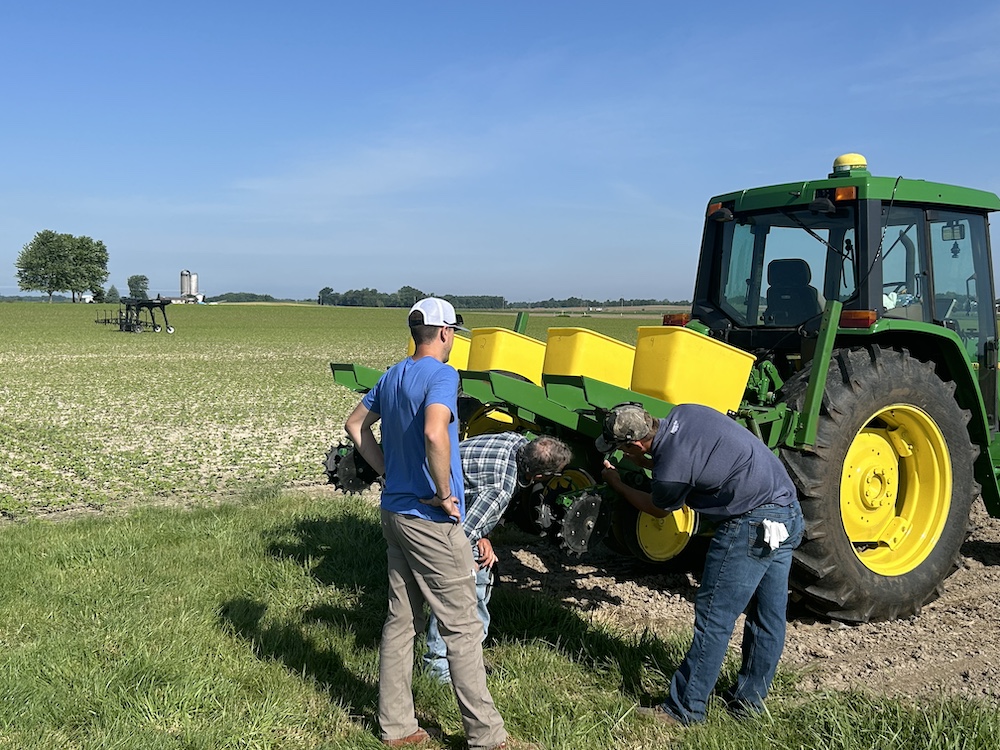
- Solinftec Robots. Currently, Premier is in the second year of a trial to understand robot technology’s application to row crop agriculture. Each robot is solar powered, has 40’ booms and is arrayed with cameras that identify single weeds and turn on a single nozzle and spray only that weed, eliminating the potential need to spray the entire field. Last year, we reduced weed control product usage by over 90% with this technology.
Q: What challenges do cooperatives like Premier Companies face on a global scale, and how do you address these challenges to ensure sustainable growth and development?
The first challenge that comes to mind is consolidation. Premier must understand and be adaptable as our farmer-owners consolidate and get bigger. Their needs change and we can’t rely on prior successes. The same holds true with our competition. Cooperatives must retain the size and scale to be relevant, efficient, and competitive.
The second that comes to mind is real time learning. Information and technology are changing agriculture from an art to a science. As farming becomes more predictable, that can shift some value away from the farmer renting the land and put more control in the hands of the landowner.
Q: How does International Cooperative Day help in raising awareness about the benefits of cooperatives, and what role does Premier Companies play in this awareness campaign?
Our nearly 100 years of success creates a challenge for a modern-day farmer to relate to the reasons we were first created. Farmers in the 1920’s lacked access to product, quality control of what they were buying, fair pricing, and underdeveloped infrastructure (roads, electricity, and phones). Sometimes, the only way we can demonstrate the value of a farmer-owned cooperative is when we vacate a market. An example would be when the cooperative system in North America sold CF Industries, our direct investment in fertilizer manufacturing. Without a cooperative presence, suppliers today are more sensitive to their shareholders and the best markets worldwide and less tied to ensuring Midwestern farmers product at fair pricing.
Locally, Premier makes an effort to educate our farmers and the community on the value of cooperatives. Roughly 60% of the business we do is non-agriculture. We designed our building to be engaging and interactive to a visitor and invite questions on who we are and what we do. Additionally, we have a podcast called The High Ground with over 13,000 followers where we spend time talking about current issues, who we are, and why we believe we do what we do well.
How Will You Celebrate International Cooperative Day?
As we celebrate International Cooperative Day, Harold Cooper’s insights highlight the impact of cooperatives like Premier Companies on our communities. Thank you for joining us in recognizing the vital role of cooperatives! Together, we can build a more inclusive and resilient future.